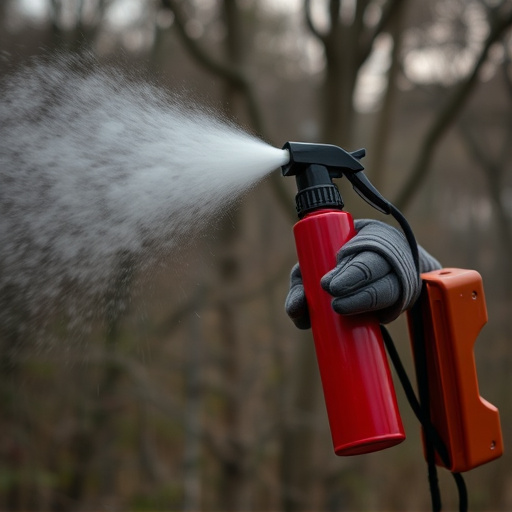
Non-lethal inflammatory self-defense tools like pepper spray offer a safe yet powerful option for personal protection. Using capsaicin, they cause temporary disorientation and pain. The market provides various types with unique advantages, such as high capsaicin content (OC spray) or advanced formulations with UV dyes and weather resistance. Effective use requires understanding the scientific effects and mastering techniques like aiming at sensitive areas, considering wind, and timing deployment to minimize exposure. Regular inspection, proper storage, knowledge of local laws, and staying informed are crucial for safe and effective use. Other non-lethal tools include stun guns, tasers, personal alarms, and noise makers. Mastering the best pepper spray self-defense techniques is key to maximizing effectiveness while minimizing harm.
“Discover the power of non-lethal inflammatory self-defense tools, your secret weapon for safety. This comprehensive guide explores best pepper spray self-defense techniques, covering types, effectiveness, and practical usage. Learn about various non-lethal options beyond pepper spray and navigate legal considerations crucial for responsible self-protection. Armed with knowledge, you’ll enhance your personal security and gain peace of mind in today’s world.”
- Understanding Non-Lethal Inflammatory Self-Defense Tools
- Types of Pepper Spray and Their Effectiveness
- Best Practices for Carrying and Using Pepper Spray
- Beyond Pepper Spray: Other Non-Lethal Self-Defense Options
- Legal Considerations and Safety Tips for Self-Defense
Understanding Non-Lethal Inflammatory Self-Defense Tools
Non-lethal inflammatory self-defense tools, often in the form of pepper spray, offer a powerful yet safe alternative for personal protection. These devices utilize capsaicin, the active ingredient found in chili peppers, to cause temporary disorientation and pain, allowing individuals to escape potential threats. The market is saturated with various options, each boasting different strengths, ranges, and application methods. Understanding these tools involves grasping the science behind their effects and learning the best pepper spray self-defense techniques.
When deployed, pepper spray creates a caustic agent that irritates the eyes, nose, and respiratory system, significantly impairing an attacker’s visibility and breath control. Effective use requires proper training, as incorrect application might not only be ineffective but could also backfire. Best practices include learning how to aim for sensitive areas, understanding wind conditions, and knowing when to deploy the spray for maximum impact and minimal exposure.
Types of Pepper Spray and Their Effectiveness
Pepper spray is a popular non-lethal inflammatory self-defense tool, offering individuals an effective way to deter potential attackers. When it comes to choosing the best pepper spray for self-defense techniques, understanding the different types and their unique properties is essential. The most common varieties include oleoresin capsicum (OC) spray, which is derived from chili peppers and known for its high concentration of capsaicin, causing a burning sensation and temporary blindness. This makes it a powerful option for personal safety.
Other types include pepper sprays with added ingredients like UV dyes or fluorescent markers, designed to not only incapacitate but also provide visual evidence of the attack. Additionally, some advanced formulations offer longer-lasting effects, improved accuracy, and resistance to harsh weather conditions, ensuring users have a reliable defense in various situations. These variations cater to different needs, making pepper spray a versatile and effective self-defense mechanism for anyone looking to protect themselves using best pepper spray self-defense techniques.
Best Practices for Carrying and Using Pepper Spray
When carrying pepper spray, knowledge of best practices is crucial for effective self-defense and ensuring its safe use. Always store your pepper spray in an easily accessible yet secure location, keeping it out of reach of children and unauthorized individuals. Familiarize yourself with local laws regarding pepper spray ownership and usage to avoid any legal complications. Regularly inspect the spray for any signs of damage or expiration, as these can affect its potency and functionality.
During a potential threat, remain calm and assess the situation. Aim for the eyes, nose, or mouth—these areas are most sensitive to capsaicin, the active ingredient in pepper spray. Maintain a safe distance, typically 2-3 feet, while activating the spray. Be prepared for the wind to potentially blow the spray back towards you, so have a backup plan or escape route ready. After use, wash your face and hands thoroughly with soap and water, and consider carrying wipes to remove any residual spray from clothing or skin.
Beyond Pepper Spray: Other Non-Lethal Self-Defense Options
In addition to traditional pepper spray, there’s a growing array of non-lethal self-defense tools available for individuals seeking to protect themselves effectively yet responsibly. These options range from stun guns and tasers to noise makers and personal alarms. Each has unique features and advantages, catering to different needs and preferences.
When considering the best pepper spray self-defense techniques, it’s crucial to explore alternatives that offer a range of protection levels. For instance, stun guns deliver powerful electric shocks, disabling an attacker temporarily. Tasers, similarly, use electrical pulses to disrupt muscle control. These devices can be particularly effective in crowd control or against larger assailants. Moreover, personal alarms and noise makers are compact and easy to carry, emitting ear-piercing sounds that can startle and deter potential threats, making them excellent options for those who prioritize simplicity and discreetness.
Legal Considerations and Safety Tips for Self-Defense
When considering a non-lethal inflammatory self-defense tool like pepper spray, it’s crucial to understand legal considerations. The use and possession of pepper spray are governed by state and local laws, with varying restrictions on types, quantities, and where it can be carried. It’s essential to research and comply with these regulations to avoid legal repercussions. In many jurisdictions, pepper spray is only permissible for self-defense and its use against others must be justified and in line with the level of threat faced.
Safety tips are paramount when employing any self-defense technique, including best pepper spray self-defense techniques. Always keep the spray within easy reach but out of sight to avoid accidental activation. Regularly inspect the device for functionality and expiration dates. Practice safe storage methods and ensure it’s not accessible to children or unauthorized individuals. Additionally, learn proper usage techniques to maximize its effectiveness while minimizing the risk of injury to yourself or bystanders.
When it comes to best pepper spray self-defense techniques, understanding the right tools, their effectiveness, and legal considerations is paramount. While pepper spray isn’t a permanent solution, it offers a powerful non-lethal option for personal safety. By following the best practices outlined in this article—from proper carrying techniques to knowledge of alternative non-lethal options—you can gain valuable skills to protect yourself in various situations. Remember, staying informed and prepared is key to ensuring your safety and peace of mind.