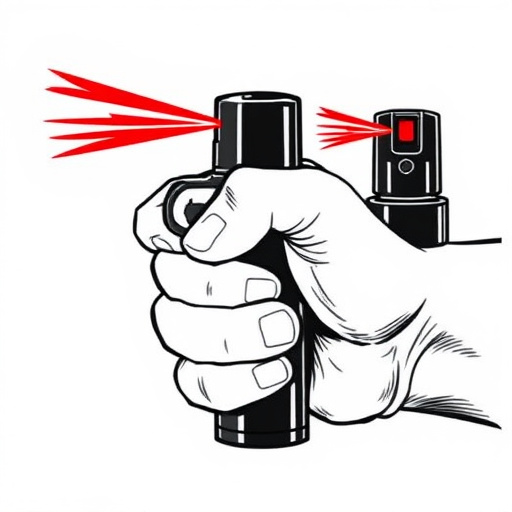
Pepper spray, a powerful self-defense tool, utilizes capsaicin to temporarily disable attackers. To effectively use pepper spray, target sensitive areas like the face and eyes with precise bursts, and undergo proper training for safe deployment. When choosing a spray, consider potency, range, portability, active ingredients, and brand quality. Best techniques involve aiming at close range, deep breathing, staying low, and considering wind direction. Adhering to local laws and regulations, along with regular maintenance, ensures responsible and effective use of pepper spray for self-defense.
“Personal protection takes on a new dimension with inflammatory agent sprays, powerful tools for self-defense. This comprehensive guide explores the effectiveness of these non-lethal weapons, offering insights into ‘How It Works’ and the best practices for their use. From understanding the active ingredients to mastering self-defense techniques, we empower individuals to make informed choices.
Learn about the key factors in selecting the best pepper spray for self-defense, ensuring it meets your needs. Discover top pepper spray self-defense techniques and strategies, along with legal considerations, enabling you to stay safe while navigating potential threats.”
- Understanding Inflammatory Agent Personal Protection Spray: How It Works
- Choosing the Best Pepper Spray for Self-Defense: Factors to Consider
- Effective Pepper Spray Self-Defense Techniques and Strategies
- Legal Considerations and Responsible Use of Pepper Spray for Self-Protection
Understanding Inflammatory Agent Personal Protection Spray: How It Works
Inflammatory agent personal protection spray, often referred to as pepper spray, is a powerful self-defense tool designed to incapacitate an assailant temporarily. When deployed, this spray creates a highly irritant substance that affects the eyes, nose, and respiratory system. The active ingredient, capsaicin, is derived from chili peppers and is known for its ability to cause a burning sensation and reduce visibility, making it an effective deterrent in self-defense situations.
Understanding how pepper spray works is crucial when considering it as part of your personal protection arsenal. The best pepper spray self-defense techniques involve aiming for the face and eyes, as these areas are highly sensitive. A quick burst can create enough irritation to give you the time and space needed to escape a potentially dangerous situation. Proper training in its use ensures that individuals can deploy the spray effectively while minimizing its impact on bystanders or themselves.
Choosing the Best Pepper Spray for Self-Defense: Factors to Consider
When selecting a pepper spray for self-defense, understanding your needs and local regulations is paramount. The best pepper spray should offer potent yet controllable irritation to disable an attacker temporarily. Look for sprays with a high capicity (in cubic feet or meters) to ensure maximum coverage during use. Active ingredients like oleoresin capsicum (OC), a natural compound derived from chili peppers, are known for their effectiveness in neutralizing assailants.
Consider factors such as range and spray pattern, as well as the ease of use and reliability under stress. Larger canisters provide longer reach and more shots but may be bulkier. Smaller options offer portability and discreetness but have shorter ranges. Always opt for a brand with a proven track record in quality and efficacy, ensuring you’re prepared with effective self-defense techniques when facing potential threats.
Effective Pepper Spray Self-Defense Techniques and Strategies
When it comes to effective pepper spray self-defense, understanding the best techniques is crucial. The key lies in using it strategically rather than solely relying on its potency. Aim for the eyes—this is the most sensitive area and will cause temporary blindness, giving you precious time to escape. Remember, close-range applications are more successful; hold the canister approximately 2–3 feet away from your target.
Practice deep breathing before and after deployment to ensure maximum air intake, as pepper spray can cause coughing fits. Stay low to the ground during the attack, allowing you to avoid direct inhalation. Additionally, be mindful of wind direction—it could blow back towards you. After using pepper spray, quickly move to a safe location, remain calm, and assess your surroundings to ensure you’re no longer in immediate danger.
Legal Considerations and Responsible Use of Pepper Spray for Self-Protection
The legal landscape surrounding pepper spray for self-defense varies by region, so it’s crucial to understand local regulations before purchasing and using such a device. Many countries and states have specific laws governing the possession and use of pepper spray, with some requiring permits or registration. Using pepper spray in public places or against law enforcement officers is generally prohibited and can result in severe legal consequences.
Responsible use involves adhering to best practices for self-defense techniques. This includes proper training on how to deploy the spray effectively while minimizing risk to bystanders. It’s essential to target specific areas like the face, eyes, and nose, ensuring a safe distance from yourself and others. Regular maintenance of your pepper spray device is also vital to guarantee its effectiveness and safety.
Inflammatory agent personal protection spray, commonly known as pepper spray, is a powerful tool for self-defense. By understanding how it works, selecting the best pepper spray tailored to your needs, and mastering effective self-defense techniques, you can enhance your safety and security. Remember, responsible use and knowledge of legal considerations are paramount when carrying any form of personal protection. Embracing the best pepper spray self-defense techniques can empower you to defend yourself confidently in various situations.